
As temperatures cool and humidity levels drop, many homeowners start thinking about indoor DIY projects, trim work, furniture builds, or winter renovations. But one thing many don’t consider? How seasonal changes affect wood—and why fall is actually one of the best times to buy lumber and let it acclimate.
At Siwek Lumber & Millwork in Jordan, we’re here to help you not just buy materials—but understand how they behave. If you’ve ever seen trim shrink, boards warp, or cabinet doors stick, there’s a good chance moisture and movement were the cause.
Let’s explore what’s happening inside your lumber—and how to work with it, not against it.
Understanding How Wood Reacts to Seasonal Change
Wood is hygroscopic, which means it naturally absorbs and releases moisture based on its environment. In humid summer months, wood can swell. As fall arrives and the air dries out, it shrinks—sometimes just slightly, but other times enough to cause cupping, warping, or separation between joints.
This movement is totally normal—but it needs to be accounted for in any serious project. Especially here in Minnesota, where seasonal humidity shifts are dramatic, choosing the right time to buy, store, and build with lumber makes a difference.
Why Fall Is the Right Time to Buy Lumber (Even if You’re Not Building Yet)
Fall Weather Helps Wood Acclimate Naturally
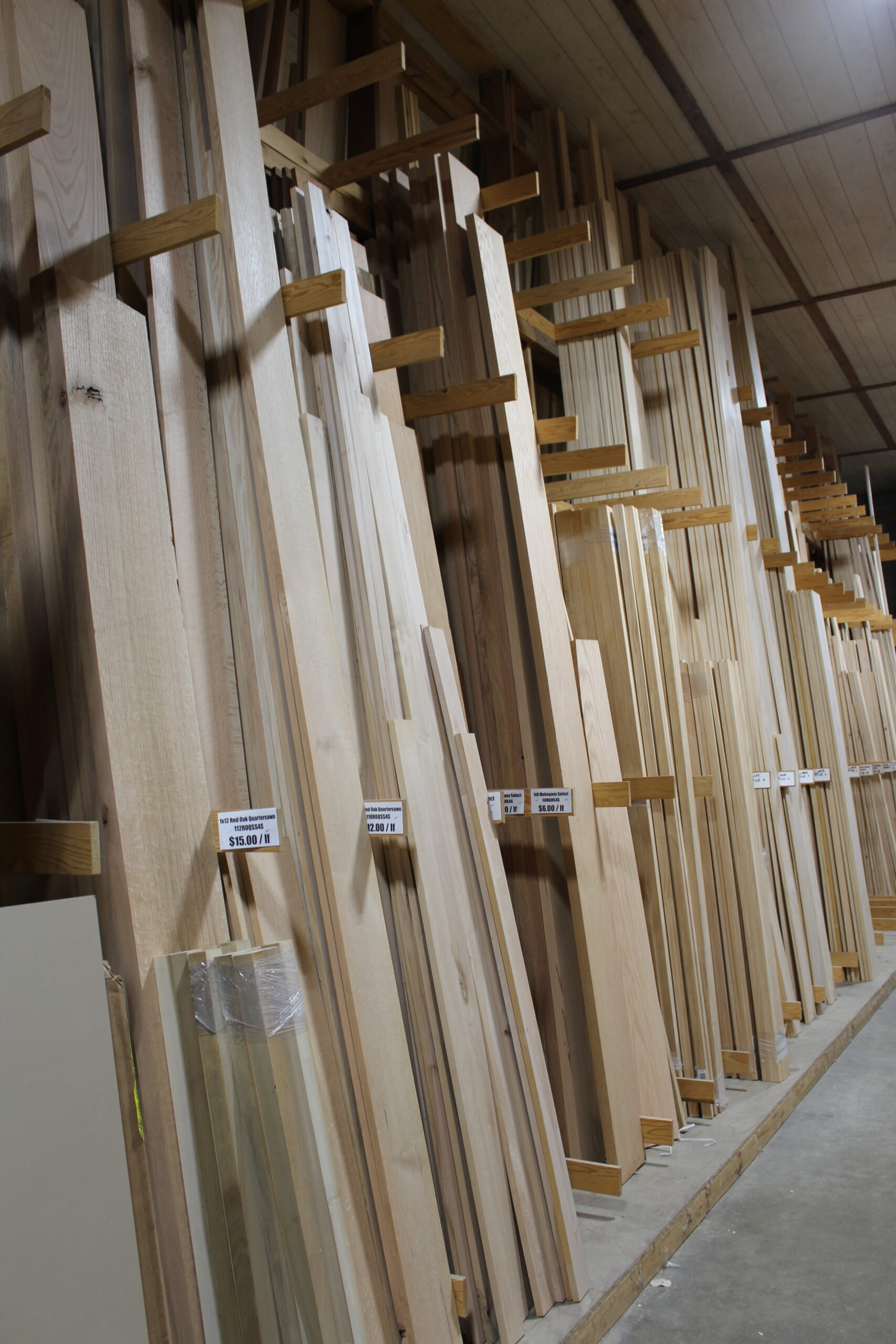
By fall, the hot, humid conditions of summer start to give way to cooler, drier air. If you buy lumber now and let it sit in your garage, workshop, or basement, it has a chance to adjust to your indoor environment slowly and safely—before you cut or install it.
This reduces the risk of:
• Warping or twisting during construction
• Gaps forming in trim or flooring after installation
• Panels cracking or doors sticking in winter
Letting lumber acclimate for even a couple of weeks can make your project more durable long-term.
Indoor Projects Are Easier to Plan With Prepped Materials
Many homeowners take on indoor projects during the colder months:
• Accent walls
• Built-in shelving
• Furniture or bench builds
• Basement finishing
• Molding or trim upgrades
Buying and prepping your materials in fall gives you time to sort through the boards, sand them down, make test cuts, and ensure you’re working with stable wood. It’s also a great time to take advantage of less busy project schedules, before winter holidays and post-holiday DIY surges.
It’s Easier to Store and Handle Lumber Before Snow Arrives
No one likes loading lumber in sub-zero temps or snow-packed driveways. Fall offers a last window of easy transport, clean storage, and dry stacking.
Storage tips for fall:
• Keep lumber flat and elevated off the ground
• Use “stickers” (thin spacers) between boards to allow airflow
• Avoid direct contact with concrete floors
• Store in a dry area away from direct moisture
If you’re building in a few weeks or months, fall conditions give your lumber the chance to settle in before it’s time to cut.
Moisture Content Matters—Especially in Minnesota
Most lumber is kiln-dried to around 12–15% moisture content—but indoor spaces in winter can drop much lower. That’s why acclimating your wood to the space it will be used in is key. Whether you’re framing out a wall or building a cabinet, stable lumber makes for stronger, cleaner results.
If you’re unsure how to test or store lumber properly, our team at Siwek Lumber is happy to answer your questions and help you prep for a successful build.
Build Better With the Seasons in Mind
Buying lumber in the fall isn’t just about beating winter rush—it’s about setting your project up for success. With a little knowledge and some extra prep time, you can avoid common pitfalls and make sure your winter builds stand the test of time.
Stop by Siwek Lumber & Millwork in Jordan for friendly advice and top-quality lumber, whether you’re building now or planning ahead.
Explore our lumber and materials! Have questions? Give us a call or visit—we’re here to help.
Comments are closed